Before the Lending Library: How People Shared Pastimes
See how shared books, games and music opened leisure to more people, and learn what makes borrowing a practical alternative to owning a full collection.
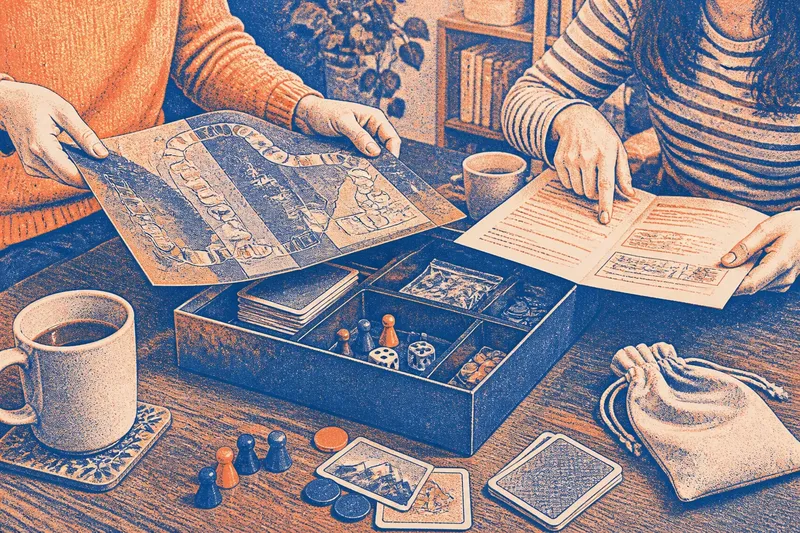
At a kitchen table, one person unfolds a borrowed board game while another tries to match its pieces to the rules sheet. The box has passed through several households, but tonight it gives a group an evening’s entertainment without asking anyone to buy a complete collection. Shared pastimes have long worked on that simple principle: make enjoyable things available beyond their owners.
The history of leisure sharing is not a straight march from private possessions to public libraries. It is a patchwork of lending circles, clubs, reading rooms, community halls and informal exchanges, shaped by what people valued and what they could afford. Looking at those arrangements helps explain why sharing can widen access—and why it depends on trust, upkeep and a clear idea of who gets to join in.
What did people share before public lending libraries?
People shared whatever was useful for leisure and costly, scarce or inconvenient to keep in every home. Books and newspapers were natural candidates, but musical instruments, sheet music, toys, games and equipment for clubs could also circulate through families, neighbours, workplaces and local associations.
Some sharing was organised; much of it was simply social. A book might travel between relatives, a group might pool money for a musical instrument, or a club might keep equipment for members to use at its meetings. These arrangements were not all open to everyone: access often depended on relationships, membership, location or the resources available to a community.
That distinction matters. A privately owned collection shared with friends can be generous, but it is not the same as a public service with stated rules and a route in for strangers. The history of shared leisure includes both kinds of exchange, along with the practical boundaries that shaped them.
Why did reading rooms and clubs matter?
Reading rooms and clubs made leisure more than a matter of borrowing an object. They offered a place to use it, meet other people and learn how a pastime worked. A reading room could provide newspapers and books to people who did not have them at home; a local club could keep instruments or games available for shared use.
Membership-based organisations offered another model. Members contributed money, time or both, then made use of resources held in common. This could spread the cost of materials across a group, though membership fees, opening arrangements and social expectations could still make access uneven.
Such places also gave shared objects a routine. A game could be played together rather than sent home with one borrower; a musical instrument could be used during a group session; a book could be discussed as well as read. The resource opened a door, but the people and setting helped make the pastime welcoming.
How did lending leisure materials become more organised?
As lending became more formal, communities could establish collections, catalogues and borrowing rules instead of relying solely on personal memory. Public libraries made books and other approved materials available through a civic service, while clubs and specialist organisations continued to lend items suited to their members’ interests.
Organisation solved some familiar problems. A record could show where an item belonged; a due date could help the next person plan; and a designated custodian could arrange repairs or decide when an object was no longer usable. Those details made a shared collection easier to maintain as it grew beyond one household’s circle.
Formal systems brought choices as well as order. A collection needs somewhere to live, someone to manage it and a way for people to discover what is available. The institution may also decide which materials to acquire, how long people may borrow them and who qualifies to use the service. Sharing does not remove decisions about access; it moves them into a system that can be made more visible.
What can be borrowed besides books?
Leisure lending can cover many objects that people use occasionally or prefer to try before acquiring. Depending on local provision, a collection might include board games, puzzles, craft tools, musical instruments, sports equipment, toys or equipment for outdoor activities. Community centres, specialist groups and informal neighbourhood schemes may each offer different things.
Shared digital resources can widen access in a different way. A library membership may include access to ebooks, audiobooks, magazines or music services, subject to the library’s offer and the platform’s terms. These formats avoid passing a physical object between borrowers, although access may depend on a compatible device, an account and an internet connection.
The best fit is often an item that is enjoyable but not needed every day, or one that takes up space between uses. A person who wants to try a new pastime can borrow before committing to a personal collection; someone who already owns a seldom-used item can consider lending it through a group with sensible arrangements.
How does sharing widen access without removing ownership?
Sharing widens access by separating use from ownership. One person or organisation keeps an item in good condition, while different people can make use of it at different times. That arrangement can let someone enjoy a larger variety of activities than they could reasonably keep at home.
It can also lower the social barrier to trying something unfamiliar. Borrowing a game or instrument makes it possible to see whether the pastime appeals before investing in a collection. A shared group setting can help too: a newcomer may learn the rules or basic handling from someone who already knows the activity.
Imagine a neighbourhood group that owns a small collection of tabletop games, while one resident is curious about hosting a game evening but does not yet own any. If the group lists the titles, lends one out with its rules and records who has it, that resident can invite friends to try an evening together; the observable result is a game being used in another home, rather than sitting in one member’s cupboard.
Sharing is not a perfect substitute for personal ownership. Borrowers may have to wait, return items by a set time or accept a limited choice. Those trade-offs are easier to weigh when someone knows how often they will use an item, whether they need it at a particular time and whether a nearby collection actually stocks it.
What helps a shared collection stay useful?
A collection works best when its purpose and lending arrangements are clear. A small group need not imitate a large institution, but it can make decisions that prevent confusion and help people feel comfortable borrowing.
- Describe each item clearly. Record its name, contents and any missing or damaged parts, so borrowers know what they are taking home.
- Set a straightforward borrowing period. Choose a return arrangement that suits the group and gives the next person a fair chance to use the item.
- Make access visible. Keep a simple list, noticeboard or shared catalogue that tells members what is available and who to contact.
- Agree how to report damage. Ask borrowers to mention a problem promptly, so the group can decide whether an item is still usable or needs attention.
- Consider who can participate. Look at meeting times, membership conditions and collection location, since these can matter as much as the items themselves.
- Review what is actually used. Keep, repair, replace or retire items according to their condition and members’ interests, rather than expanding the collection for its own sake.
For a small informal exchange, these points can be handled through a conversation and a shared note. A larger collection may need a named coordinator and written rules. The aim is not paperwork for its own sake; it is to make borrowing feel ordinary rather than awkward.
What do readers often ask about sharing pastimes?
Is a lending library the same as a public library?
Not necessarily. A lending library is any organised collection that lets people borrow items, while a public library is a civic service with its own remit, eligibility rules and collection. A neighbourhood group, club or community centre may lend materials without being a public library.
Can I borrow games or equipment from a library?
Some libraries and community organisations lend items beyond books, but the range varies by place. Check the catalogue or contact the organisation before making plans, especially if you need a particular title or item.
How can a small group lend items without losing track?
Keep a basic record of each item, its borrower and its expected return, using a notebook or shared digital list. Agree how to report damage and who will contact the borrower if an item is overdue.
Is borrowing always better than buying?
No. Borrowing suits occasional use, trying an unfamiliar activity or accessing something that would otherwise sit idle. Ownership may suit an item someone uses regularly, needs at unpredictable times or wants to keep in a particular condition.
What is not worth the effort?
A small sharing scheme rarely needs elaborate software, complicated forms or a long contract for every loan. If a simple list and a clear conversation can prevent the likely mix-ups, extra administration may make participation harder rather than easier.
Nor does every pastime need to become communal. Some people value private collections, and some materials are awkward to lend or difficult to maintain. A useful arrangement starts with real interest and a collection that people can care for—not with pressure to share everything.
The enduring idea behind shared pastimes is modest: access can come from a good arrangement, not only from owning every object outright. If you are looking for a shared leisure collection, ask what is available locally, how borrowing works and whether the setting suits the way you want to spend your free time. One well-kept game, instrument or book can travel further when its next user knows where to find it.